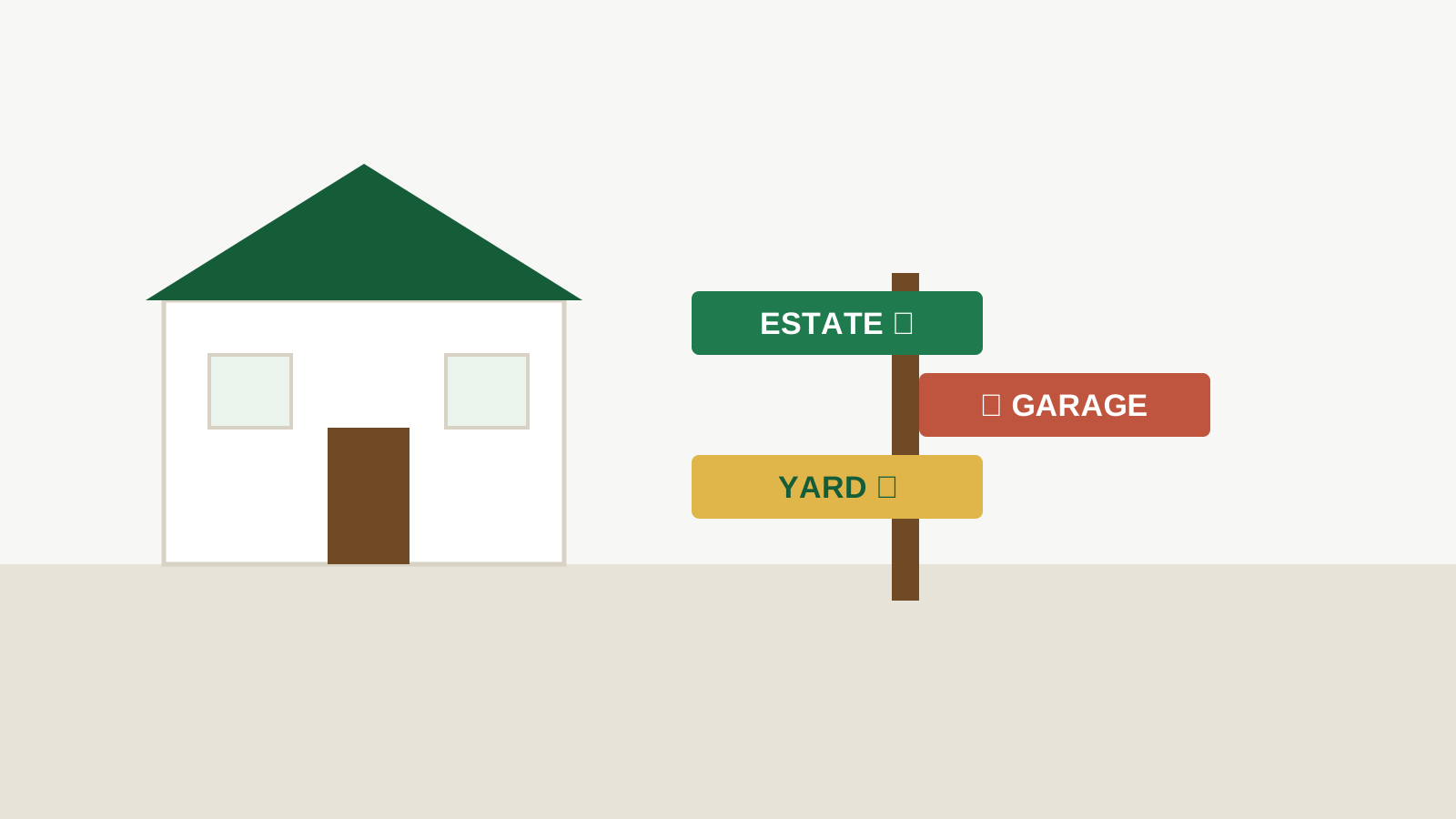
Estate vs Garage vs Yard Sale Guide
Part of The Complete Guide to Running a Garage or Yard Sale.
"Estate sale," "garage sale," and "yard sale" get used loosely, but they describe different things — and picking the right format matters, because it changes how you price, who shows up, and how much work is involved. Here's the plain-English difference and how to choose. (This guide compares the sale formats; it isn't advice on the legal or financial side of settling an actual estate — for that, see the note at the end.)
Garage sale vs yard sale: basically the same thing
Let's clear this up first: "garage sale" and "yard sale" are essentially the same event — you're selling your own used household goods, usually over a weekend morning, from your garage, driveway, or yard. The name mostly comes down to regional habit and where you set up (some people say "tag sale" too). Everything in the complete guide applies to both. If someone asks the difference, the honest answer is: not much.
What makes an estate sale different
An estate sale is a bigger, different animal. Instead of selling the odds and ends you've decided to part with, an estate sale typically sells the entire contents of a home — furniture, appliances, kitchenware, tools, décor, sometimes right down to what's in the cupboards. They usually happen when a household is being fully cleared: a move, a downsizing, or the settling of a loved one's estate.
Key differences from a garage sale:
- Scope: whole-household, not a curated pile of cast-offs.
- Pricing: often priced higher and closer to resale value, because estate sales frequently include more valuable furniture, antiques, and collectibles. Buyers (including dealers) come expecting that.
- Access: shoppers often go inside the home rather than browsing a driveway.
- Run by: either the family themselves, or a professional estate-sale company.
DIY vs hiring an estate-sale company
If you're facing a whole-house clear-out, you have two broad options:
- Do it yourself. You keep all the proceeds and stay in full control, but it's a lot of work — sorting, researching values, pricing, staffing, and dealing with what doesn't sell. It's most realistic when the contents are modest or you have time and help.
- Hire an estate-sale company. These firms handle sorting, pricing, staffing, and marketing, and they know the local buyer market. In exchange they take a commission on sales (the exact percentage and terms vary by company and region, so compare a few and read the contract). It's often worth it for a large or valuable estate, or when you simply don't have the time or expertise.
A middle path: some people run a big DIY "garage sale" for the everyday items and bring in a professional or a specialist only for the genuinely valuable pieces (antiques, jewelry, collectibles). However you price things, the comps method still applies.
What about "tag sales" and "moving sales"?
You'll hear a couple of other names, and they mostly overlap with the ones above:
- Tag sale. In much of the northeastern US, "tag sale" is simply the local word for a garage or yard sale — every item wears a price tag. In some areas it leans a little more toward the estate-sale end (a whole-house sale, priced item by item), so it sits somewhere between the two. Context tells you which is meant.
- Moving sale. Exactly what it sounds like — a garage/yard sale held because someone's relocating and would rather sell than pack. It's run like a garage sale, but the "everything must go" motivation often means better bargains, which is a nice thing to put in your advertising.
Don't overthink the label. Shoppers care about what's for sale and where, not whether you called it a garage, yard, or tag sale.
Which should you hold?
- Routine declutter, a manageable amount of stuff? A garage/yard sale is perfect — quick, low-stakes, cash-friendly.
- Clearing an entire home, or lots of higher-value items? An estate sale (DIY or company-run) fits better.
- Somewhere in between? A large multi-day garage sale, possibly with a pro for the special pieces.
A note on settling an actual estate
If your sale is part of settling a deceased person's estate, the sale format is the easy part — the surrounding legal, probate, and tax matters are not, and they vary by situation and location. This guide can't advise on those, and nothing here is legal or tax advice. Please consult an appropriate professional (an estate attorney, executor guidance, or a tax professional) for that side of things.
Holding a garage or yard sale? List it here so local shoppers find you, and work through the complete guide to get set up.