What Sells Best at Garage Sales
Part of The Complete Guide to Running a Garage or Yard Sale.
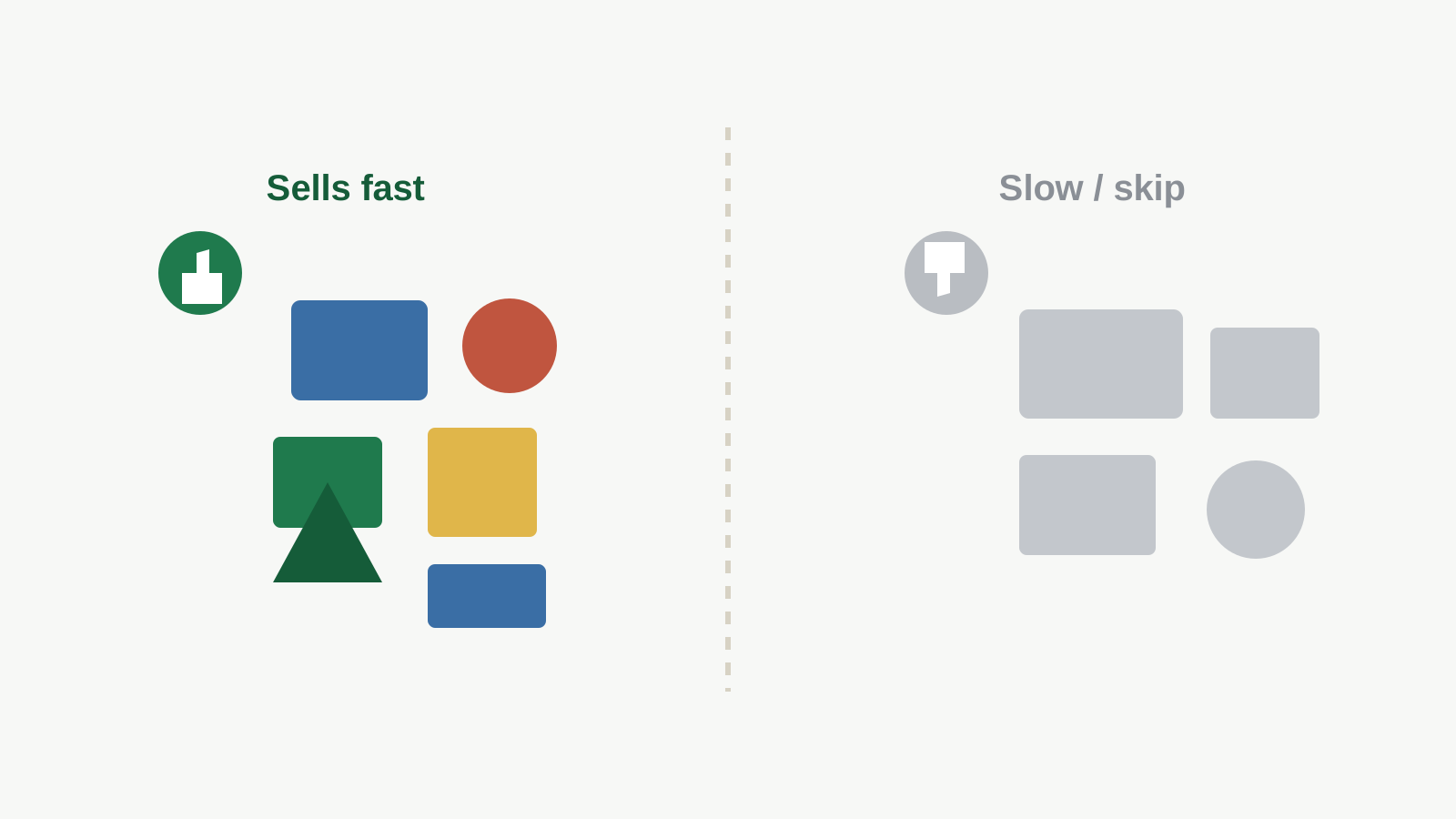
Not everything deserves a spot on the table. Knowing what garage-sale shoppers actually reach for lets you feature the money-makers, price them right, and avoid hauling out things that only clutter the driveway. Here's a category-by-category breakdown — deeper than the quick list in the main guide — of what sells, what drags, and what to skip.
The reliable sellers
These consistently move well. Put them front and center, and price the good ones with comps:
- Tools and hardware. Almost always in demand and they hold value — power tools, hand tools, and even bins of odd hardware. Early birds with resale in mind hunt these first, so comp the brand-name ones.
- Kids' everything. Clothes, toys, books, gear, bikes. Parents are constantly sizing up and out, so children's items turn over fast — bundle clothes by size.
- Kitchen items. Small appliances, cookware, dishes, and gadgets sell quickly, especially clean and complete. A working coffee maker or mixer is an easy sale.
- Furniture in good shape. A solid dresser, table, or bookshelf is a curb magnet that literally stops cars. It's often your single biggest ticket — worth photographing and pricing carefully.
- Sporting goods and outdoor gear. Camping equipment, bikes, exercise gear, and yard tools all find buyers.
- Collectibles and brand-name items. Records, cast iron, vintage kitchenware, name-brand anything. These are exactly what the app-in-hand resellers look for — comp them rather than pricing by gut.
- Seasonal and holiday décor, priced cheap, moves in volume.
Why these sell
The pattern is simple: shoppers want useful, working, recognizable things at a fraction of retail. Items that save a buyer real money over buying new (tools, furniture, appliances), or that they need repeatedly (kids' clothes), or that have collector demand (brand names, vintage) are the ones that fly. Condition and cleanliness push everything up a notch.
The slow movers
These can sell, but temper your expectations and price low:
- Adult clothing beyond coats, boots, and name brands — ordinary used clothes are a tough sell; bundle or bag them.
- Books in bulk — a few dollars at most; "fill a bag" pricing clears them.
- Older, working-but-dated electronics — they sell only very cheap.
- Random décor and knick-knacks — hit or miss; group them and price to move.
What to skip entirely
Some things cost you more hassle than they're worth — leave them off the table or send them straight to recycling/donation:
- Old CRT TVs and bulky obsolete electronics — rarely sell and are a pain to haul away.
- Worn mattresses and heavily used upholstered furniture — most buyers pass on hygiene grounds.
- Broken items with no clear "for parts" value — unless someone specifically wants parts, they just clutter.
- Half-used toiletries, worn undergarments, and anything stained or mildewed — these shouldn't make the table at all.
- Encyclopedias and outdated textbooks — almost nobody buys them now.
Give your best sellers the best spots
Knowing what sells is only half of it — where you put those items decides how fast they go. A few placement habits pay off:
- Put a magnet at the curb. Your most eye-catching winner — a clean piece of furniture, a bike, a nice tool — belongs where drivers can see it from the street. It's what turns a passing car into a parked one.
- Get the good stuff up on tables, at browsing height, not buried in a box on the ground. Waist-height items look more valuable and actually get picked up.
- Group the winners together by category so the shopper hunting for tools (or kids' clothes) finds a whole cluster and buys more than they planned.
- Restock and tidy as things sell, so your best-seller tables never look picked-over at 9 a.m.
Seasonal winners
Timing nudges demand, too: yard and garden tools, patio furniture, and sporting goods move best in spring and summer; kids' clothes and school supplies pick up before back-to-school; holiday décor and warm clothing sell in fall. If you have a choice of when to hold your sale, matching your strongest inventory to the season gives it an extra push — see the best time to have a garage sale.
When in doubt, put it out — cheap
If you're genuinely unsure whether something will sell, a 25¢ tag answers the question for you, and one person's junk truly is another's treasure. Just don't agonize over an item you were going to donate anyway. For a full plan around all of this, see the complete guide.
Got winners to sell? List your sale and photograph your best items so the right buyers come looking for them.